


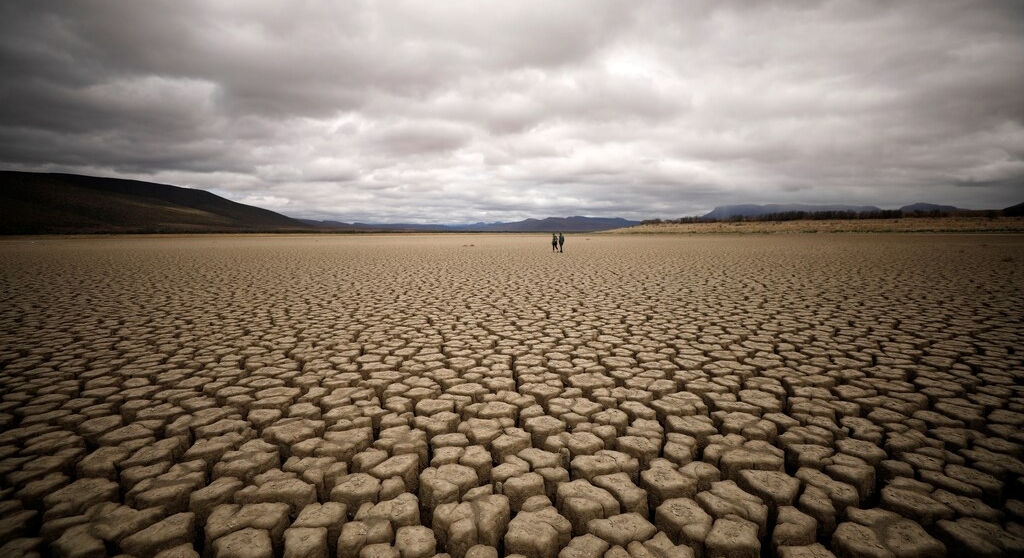
Nearly Three-Quarters of Displaced People Live in Climate-Vulnerable Countries, UN Report Finds
Climate Change Puts Millions of Displaced People at Greater Risk, UNHCR Warns
A new report by the United Nations High Commissioner for Refugees (UNHCR) has warned that climate change is worsening the living conditions of millions of forcibly displaced people worldwide, with nearly three-quarters living in countries such as Afghanistan and Bangladesh that are increasingly exposed to climate-related hazards.
Released ahead of the United Nations climate conference in Antalya, Türkiye, the report highlights the growing connection between conflict, forced displacement and climate change. It stresses that climate adaptation has become essential for vulnerable communities and countries hosting large refugee populations.
Climate Adaptation Is a Matter of Survival for Refugees
UNHCR’s Assistant High Commissioner for Operations said adapting to climate change was a matter of survival for displaced people and communities living in fragile environments.
The official stressed the need to ensure that climate finance reaches the communities facing the greatest risks, particularly those affected by conflict, displacement and environmental challenges.
The report calls for greater investment in climate resilience to help vulnerable populations cope with rising temperatures, water shortages and extreme weather events.
Climate Change Threatens the Safe Return of Displaced People
The report also warns that climate change is making sustainable returns to home countries increasingly difficult for displaced populations.
According to UNHCR, more than two-thirds of refugee returns recorded during the first half of 2026 took place in countries highly vulnerable to climate hazards, increasing the risk of people being displaced again.
Syria is among the countries facing these challenges. Nearly four million displaced people have recently returned to their homes, but growing water shortages and unpredictable rainfall patterns could undermine their ability to rebuild their lives.
Extreme Heat Could Threaten Refugee Settlements in Africa
UNHCR estimates that by 2050, one in three refugee settlements across sub-Saharan Africa could experience at least 100 days of dangerous heat every year, posing serious risks to health and livelihoods.
In some refugee settlements in Ethiopia, extreme heat could persist for more than 200 days annually, increasing the likelihood of heatstroke and premature deaths.
The report notes that refugees often have limited access to clean water and reliable energy, making it even harder for them to protect themselves from dangerously high temperatures.
El Niño and Flooding Could Trigger Further Displacement
UNHCR has also warned that forecasts of an unusually strong El Niño event could intensify climate-related risks in several refugee-hosting countries and trigger further displacement.
In East Africa, severe flooding could leave up to three million people displaced in Somalia, Kenya, South Sudan and Uganda by the end of this year, according to the report.
The warning highlights how extreme weather events can deepen existing humanitarian crises, particularly in regions already struggling with conflict, poverty and limited resources.
UNHCR Calls for Greater Climate Finance for Vulnerable Countries
UNHCR has urged governments and climate finance institutions to increase funding for climate adaptation in countries affected by conflict and displacement.
The agency estimates that only around 10 percent of climate finance reaches fragile and conflict-affected countries, despite their heightened vulnerability to climate-related disasters.
A separate United Nations report has also criticised developed countries for falling significantly short of providing the estimated $305 billion needed annually by developing nations to address climate change.
The reports come as the frequency and intensity of extreme weather events continue to increase, adding pressure on governments to strengthen climate resilience and provide greater support to vulnerable communities.


