


Indian Mango Exports Hit as Japan Enforces Zero-Tolerance Policy
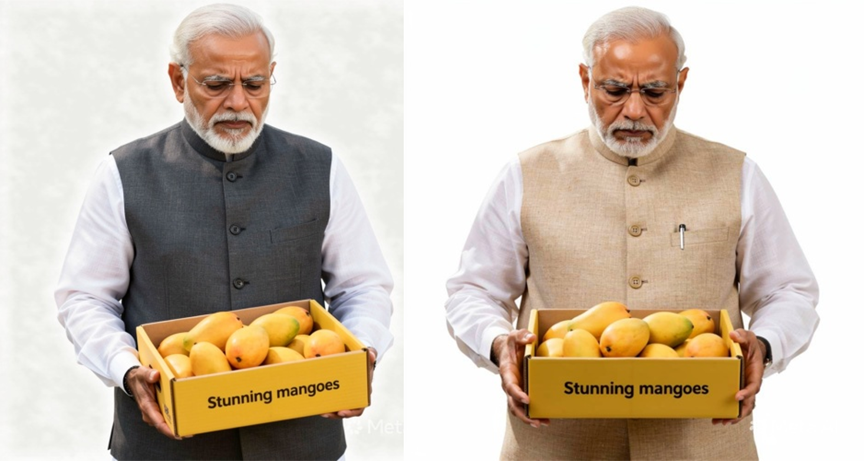
Japan has once again imposed a ban on the import of Indian mangoes after nearly 20 years, in a move being described as a major setback for India’s agricultural exports.
According to foreign media reports, Japanese authorities identified several treatment and quality-related issues during inspections of Indian processing facilities. The inspections reportedly revealed flaws in the fumigation and treatment procedures used before export.
Following these findings, Japan decided to suspend imports in order to prevent any potential risk of pests or contamination entering the country.
Japan Halts Import of Popular Indian Mango Varieties Over Quality Concerns
The decision has affected the export of several famous Indian mango varieties, including Alphonso, Kesar, Langra, and Banganapalli. Japanese authorities said the ban was enforced under the country’s strict zero-tolerance policy against harmful pests such as fruit flies.
Officials in Japan maintained that there can be no compromise on biosecurity standards and import regulations related to food safety. Analysts believe the move could cause financial losses to India’s mango industry and agricultural export sector, while further discussions between the two countries on the issue are expected in the future.


