


Innovative Low-Cost Sensor from Lahore Could Revolutionize Milk Preservation
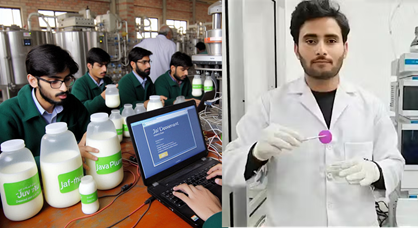
Lahore-based researchers have developed an eco-friendly, low-cost sensor using Java Plum extract to detect milk freshness, potentially reducing global milk spoilage. Created by scientists from the University of Education, Lahore, in collaboration with COMSATS University’s IRCBM, the sensor works by infusing filter paper with anthocyanin (ACN), a natural pigment. When exposed to milk, the sensor changes color based on acidity levels, providing a real-time freshness indicator. Unlike traditional expiry dates, this biodegradable and chemical-free solution ensures more accurate monitoring of milk quality.
Security Forces Rescue 80 Hostages, Kill 13 Militants in Bolan Operation
The research, led by Muhammad Naeem Shabbir under the supervision of Dr. Muhammad Akram and Dr. Muhammad Aslam, was published in Food Chemistry. A protective chitosan coating preserves the ACN compound, making the sensor highly effective. Testing confirmed that as milk spoiled, the sensor’s color transitioned from purple to white. The team at IRCBM holds exclusive rights to the project and is now seeking funding to commercialize the sensor, which could benefit dairy industries worldwide by minimizing milk wastage.
- TV Anchor Iqrar-ul-Hassan Reportedly Detained from Lahore Residence
- Faisal Vawda Says PTI’s Political Show Is Over, Calls for End to Terrorism
- Peshawar Residents Celebrate ‘Youm-e-Nijaat’ Following Federal Government’s Move
- BingX Launches U.S. Stock Trading via Alpaca with Access to 7,000+ Stocks and ETFs
- Torkham Border Closure Causes Rs400 Billion in Losses, Traders Say


