


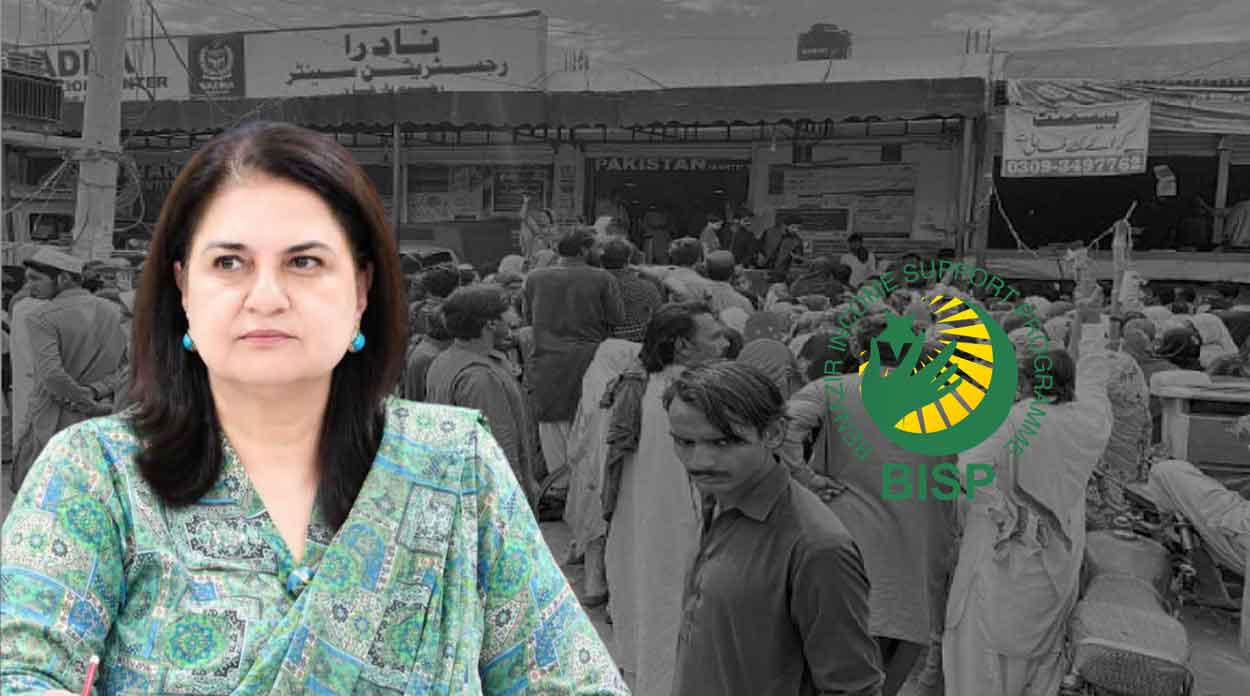
BISP Introduces Interoperable Payment System to Improve Transparency and Financial Inclusion
BISP Launches Interoperable Digital Banking System Through Six Partner Banks
ISLAMABAD – The Benazir Income Support Programme (BISP) has launched the first instalment payments under a new interoperable digital banking system involving six partner banks, allowing eligible women to withdraw their financial assistance through any participating institution.
BISP New Payment System Aims to Ensure Transparency and Convenience
The initiative is aimed at improving transparency, eliminating long queues and preventing unauthorised deductions, while giving beneficiaries greater flexibility and convenience in accessing their payments.
The six participating institutions are HBL, HBL Microfinance Bank, Easypaisa, JazzCash, Bank Alfalah and the Bank of Punjab.
BISP Chairperson Meets State Bank Governor on Digital Payment Initiative
On the occasion, BISP Chairperson Senator Rubina Khalid met State Bank of Pakistan Governor Jameel Ahmad and acknowledged the central bank’s support and leadership in introducing the new payment mechanism.
She said the system would promote financial inclusion by enabling women to choose where and how to receive their assistance. She also reaffirmed BISP’s commitment to working with the State Bank and partner financial institutions to strengthen women’s financial empowerment.
BISP and World Bank Discuss Social Protection and Digital Initiatives
Separately, Senator Rubina Khalid met World Bank Country Director Bolormaa Amgaabazar at BISP headquarters to discuss ways to strengthen institutional cooperation and improve social protection services.
The discussions covered key BISP initiatives, including the National Socio-Economic Registry (NSER), Benazir Nashonuma Programme and Benazir Hunarmand Programme, as well as digital and financial literacy training and data sharing between federal and provincial institutions.
World Bank Cooperation to Strengthen BISP Service Delivery
Both sides explored opportunities for cooperation in capacity building, technological modernisation, operational efficiency and improved service delivery to deserving families.
Senator Rubina Khalid emphasised the importance of continued engagement with the World Bank, highlighting the role of technology, institutional expertise and skills development in strengthening BISP’s social protection framework.
The meeting concluded with a shared commitment to deepen institutional engagement and explore further avenues of cooperation. Senior officials from BISP and the World Bank also attended.


