


Innovative Low-Cost Sensor from Lahore Could Revolutionize Milk Preservation
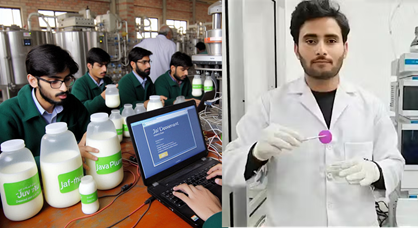
Lahore-based researchers have developed an eco-friendly, low-cost sensor using Java Plum extract to detect milk freshness, potentially reducing global milk spoilage. Created by scientists from the University of Education, Lahore, in collaboration with COMSATS University’s IRCBM, the sensor works by infusing filter paper with anthocyanin (ACN), a natural pigment. When exposed to milk, the sensor changes color based on acidity levels, providing a real-time freshness indicator. Unlike traditional expiry dates, this biodegradable and chemical-free solution ensures more accurate monitoring of milk quality.
Security Forces Rescue 80 Hostages, Kill 13 Militants in Bolan Operation
The research, led by Muhammad Naeem Shabbir under the supervision of Dr. Muhammad Akram and Dr. Muhammad Aslam, was published in Food Chemistry. A protective chitosan coating preserves the ACN compound, making the sensor highly effective. Testing confirmed that as milk spoiled, the sensor’s color transitioned from purple to white. The team at IRCBM holds exclusive rights to the project and is now seeking funding to commercialize the sensor, which could benefit dairy industries worldwide by minimizing milk wastage.
- Seven Killed, Including Bride and Groom, in Gas Cylinder Blast at Islamabad Wedding House
- PTA Warns Public Against Fraudulent Calls and Fake UAN Numbers
- Pakistan’s Trade Deficit Hits $19.2bn in H1 as Exports Slide, Imports Surge
- Livoltek Launches Innovative Energy Solutions in Pakistan
- PIA Resumes Direct Lahore–London Flights From March 30 Amid High Demand


