


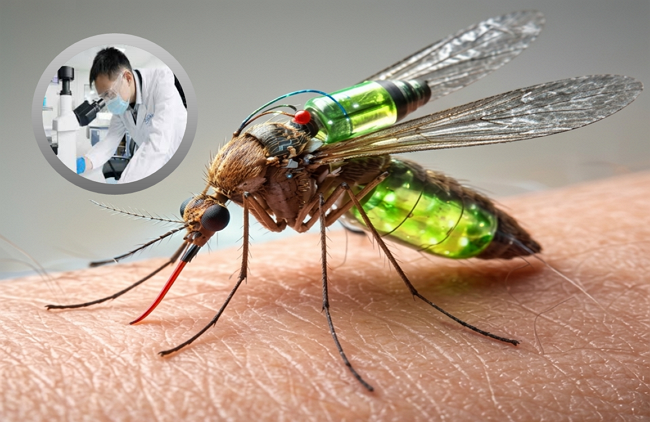
Genetically Modified Mosquitoes Could Revolutionize Disease Prevention
Researchers led by Hongyue Li at the Chinese Academy of Sciences have developed a groundbreaking method that turns mosquitoes into carriers of vaccines. By genetically modifying the insects, scientists enabled them to store a weakened form of a virus in their salivary glands. When the mosquito bites, it delivers the vaccine into the bloodstream, triggering an immune response similar to a conventional shot.
This innovative approach—often described as “flying syringes”—is primarily aimed at vaccinating wild animal populations, particularly bats, to curb the spread of diseases such as rabies and Nipah virus before they reach humans. The concept represents a major advancement in ecological vaccination, where natural carriers are used to distribute immunity in hard-to-reach environments.
The 2026 study has opened new possibilities for global health, especially in remote regions lacking medical infrastructure. Supporters see it as a cost-effective, self-spreading solution, while critics highlight ethical and regulatory concerns—especially if applied to humans, where consent and safety would be critical issues.
Despite these debates, successful laboratory and simulated field trials suggest that insect-based vaccine delivery could play a significant role in preventing future disease outbreaks.


