


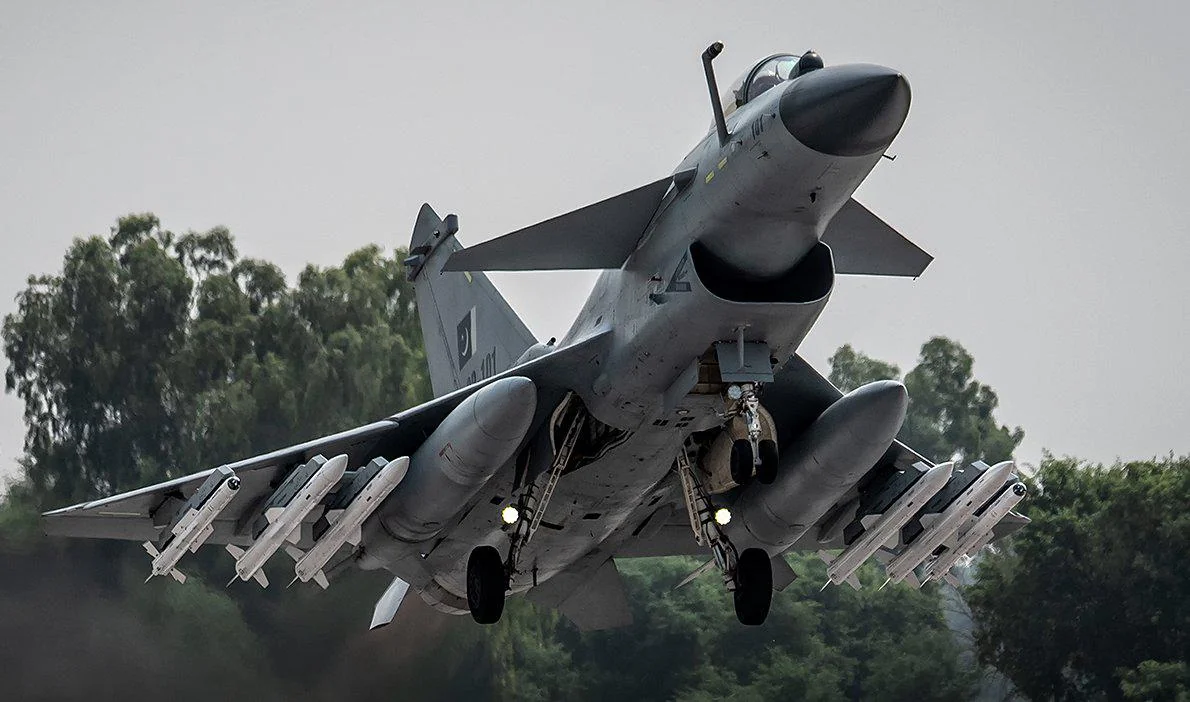
Tehran Plans to Acquire Chinese J-10C Fighters to Challenge Israeli Air Superiority
Iran Reassesses Airpower After 12-Day War with Israel and US Strike
In the aftermath of a fierce 12-day conflict with Israel — and a rare direct military clash with the United States — Iran is urgently reevaluating its aging airpower capabilities. While regional rivals like China and Pakistan have made significant advances in fighter jet technology, Iran continues to lag behind in frontline multirole combat aircraft. This airpower disparity was laid bare during the June 2025 conflict, when Israeli F-35Is, F-16s, and F-15Is dominated the skies.
The war, which erupted on June 13 following Israeli airstrikes targeting Iranian military and nuclear facilities, quickly escalated into a regional confrontation. The United States intervened with precision strikes on three Iranian nuclear sites. Iran responded with ballistic missile barrages on U.S. and Israeli positions, before a ceasefire was brokered on June 25.
Also read: India Set to Surpass ₹7 Lakh Crore Defence Budget Mark with Fresh ₹50,000 Crore Allocation
Post-War Pivot: Iran Eyes China’s J-10C Vigorous Dragon Fighter Jets
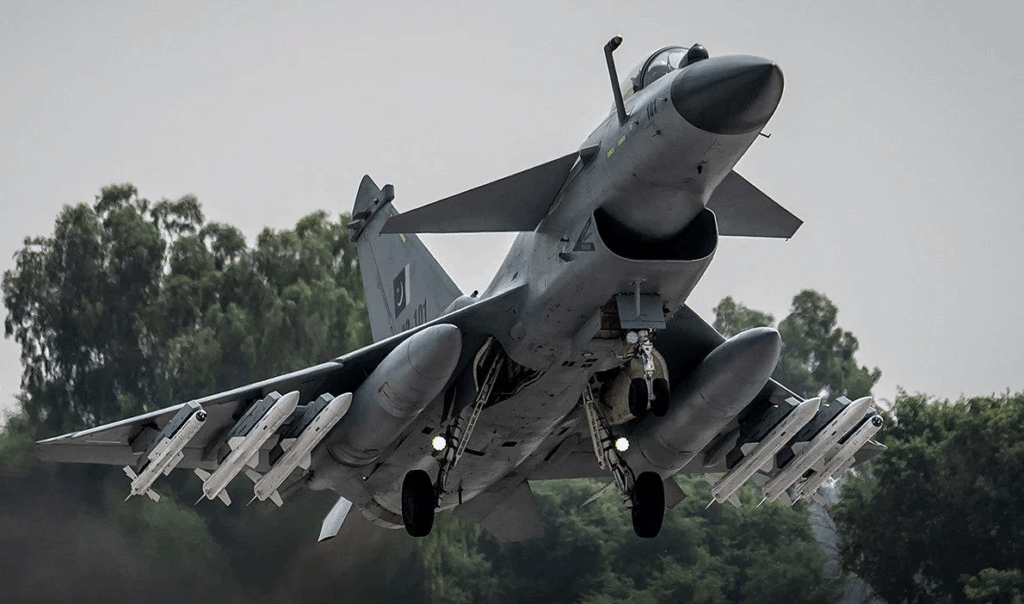
Amid growing security pressures, Tehran is now reportedly in advanced talks with Beijing to purchase China’s J-10C Vigorous Dragon multirole fighters. This move signals a strategic pivot in Iran’s defense posture, with the aim of narrowing the airpower gap against Israel and enhancing its deterrence in the region.
Just a day after the ceasefire, Iran’s Defense Minister Aziz Nasirzadeh led a delegation to China for the Shanghai Cooperation Organization (SCO) defense ministers meeting. Sources claim discussions over the J-10C acquisition took place alongside talks on broader military cooperation.
Why the J-10C Matters: China’s 4.5-Gen Fighter Could Change the Balance
The J-10C is one of the most capable and cost-effective 4.5-generation fighters available today. It features cutting-edge KLJ-7A AESA radar technology, long-range PL-15 air-to-air missiles, and advanced electronic warfare capabilities. Each unit costs an estimated $60–90 million, making it a strategic, budget-friendly option for Tehran as it looks to modernize its fleet.
While Iran has made strides in producing indigenous fighter jets, none match the combat capabilities of Israel’s modern fleet. The J-10C acquisition could serve as a tactical stopgap, boosting Iran’s air defense while its domestic programs mature. However, regional experts warn that this deal may escalate Middle East tensions, prompting countermeasures from Israel and its Western allies.


